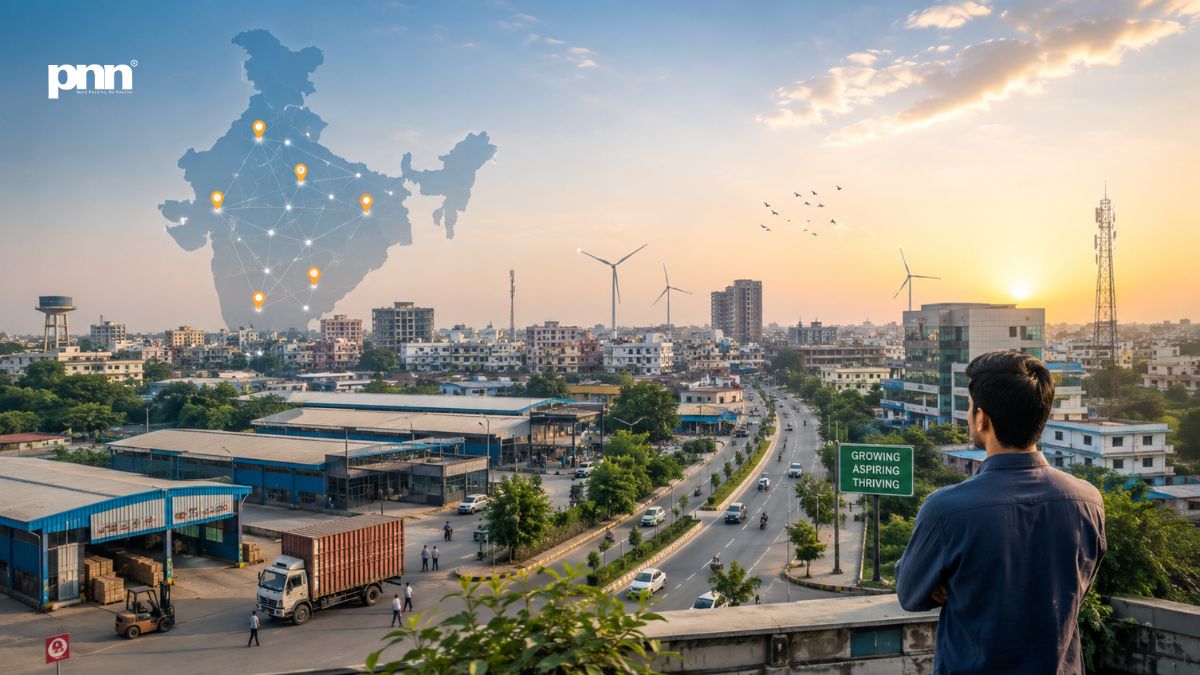
Ease of Doing Business: How Reforms Are Reshaping Indian Industry

Mumbai (Maharashtra) [India], July 27: Ten years ago, if you wanted to start a small factory in India, you probably spent weeks going from one government office to another, chasing stamps and signatures for permits that didn’t really have much to do with what you were trying to build. Now things look very different. If you’re a first-time entrepreneur in Coimbatore or Indore, you can register your company, sort out your bank account, and apply for GST, often in just a few days, usually online, without ever stepping into a government building. That’s not luck—it’s the result of a steady, years-long effort to make it easier to do business in India. You can actually see the difference, whether you’re on a factory floor, at the export dock, or in a tiny startup office.
From Paperwork to Platforms
The biggest change? Everything’s gone digital. Take the SPICe+ platform. It rolls up company incorporation, PAN, TAN, EPFO, and ESIC registration into one web form. Before this, you had to fill out different applications for each, sometimes dealing with seven departments just to get started. For small business owners, that’s not some abstract policy tweak. It’s a real shift—from spending a month on mindless paperwork to having everything sorted in a week so you can focus on the work that matters.
Trade’s changed, too. What used to take endless running around—coordinating customs clearances with port authorities and regulators—now happens through a single digital window. With faster clearances for low-risk shipments, exporters are seeing shorter turnaround times at ports, which is huge for any business running on slim margins and tight deadlines.
Tax Simplification and the GST 2.0 Moment
When people talk about tax reform, GST comes up—a lot—and for good reason. The big upgrade happened in 2025. “GST 2.0,” as people call it, simplified the whole tax rate structure, finally fixed oddities like upside-down tax duties in textiles and footwear, and made life a little easier for smaller taxpayers. If you’re a garment exporter in Surat or Tiruppur, you don’t have to watch your working capital vanish every quarter because taxes on your materials were higher than those on your finished products. And now, over 1.5 crore businesses are registered GST taxpayers. That’s formalization not just in theory, but actually happening, as more small companies find that staying inside the system just makes more sense.
Decriminalising the Ordinary Mistake
Some changes have slipped by quietly but matter just as much. Earlier, if you messed up a filing or got a label detail wrong—nothing major, just a normal mistake—you could end up facing criminal charges. But the Jan Vishwas Acts, first in 2023 and again in 2026, turned hundreds of those slip-ups into monetary penalties instead. So the factory owner who misses a deadline, doesn’t have to panic about court cases. Honestly, for a lot of small-business owners, that one shift means more than any tax cut, because the threat of prosecution for simple mistakes kept people from growing their companies, or even registering them officially.
Infrastructure Coordination Through GatiShakti
Industrial growth isn’t just about rules and regulations—it’s also about making sure roads, rails, and ports actually connect. That’s where the PM GatiShakti plan comes in. Now, ministries, state governments, and agencies get on the same digital page. Projects get planned together, not in isolation, and as a result, things just happen faster. A textile unit in Gujarat or a chemical plant in Odisha gets the payoff when new roads, rail links, and ports line up, making it easier to move goods from factories to buyers.
Credit Reaching Smaller Businesses
Getting finance has always been tough for small businesses. But the past few years saw a real push here, too. The Credit Guarantee Scheme for Micro and Small Enterprises has backed loans worth over nine lakh crore rupees. The Emergency Credit Line Guarantee Scheme kept many firms afloat during rough patches. More recently, making the Trade Receivables Discounting System mandatory for government companies means small suppliers can turn their unpaid invoices into working capital, which goes a long way in easing that constant cash crunch when a big buyer drags out payments.
What the Numbers Suggest
And the numbers? They tell a pretty clear story. From 2014 to 2025, India pulled in around $748 billion in foreign direct investment—way more than the previous decade. The count of active companies grew, from 1.55 lakh in 2020-21 to almost 1.98 lakh in 2025-26. Recognized startups leaped from a little over 500 in 2016 to more than 2.23 lakh, creating over 23 lakh direct jobs along the way. These aren’t just numbers—they’re real decisions by entrepreneurs betting it’d finally gotten realistic to go official and build something new.
The Work That Remains
Now, all that said, it’s not like everything’s perfect. Some states move quicker than others, which is why there’s still a push to make sure reforms actually reach the ground—all the way down to the district. Land acquisition, getting environmental approvals for bigger projects, and the speed of settling disputes still slow companies down. The next World Bank Business-Ready assessment will put all this progress to the test.
But, if you step back, the direction is hard to miss. Changes that used to live in government press releases are now showing up in people’s daily work. Whether you’re a five-person garment exporter in Tiruppur or a tech startup in Bengaluru, “ease of doing business” isn’t just a slogan anymore—it’s actually happening. Maybe it’s not all the way there, but for more and more businesses, it’s finally real.